Maintaining your kitchen tools is crucial for their longevity. From knives to cutting boards, each item requires specific care to ensure peak performance. By implementing simple maintenance practices, you can significantly extend the lifespan of your tools and enhance your cooking experience. Let’s explore some essential tips that will help you keep your kitchen tools in top condition for years to come.
Proper Knife Care
To keep your knives sharp and in top condition, regularly hone the blade with a sharpening tool. Honing helps maintain the edge on your knife by realigning the blade, ensuring a smoother and more precise cut. It’s a quick and easy process that can be done frequently to keep your knives performing their best.
When honing your knives, remember to hold the sharpening tool firmly in one hand and the knife in the other. Gently slide the blade against the honing steel at a 20-degree angle, starting from the base to the tip. Repeat this movement on both sides of the blade for optimal results. Make sure to hone your knives before or after each use to maintain their sharpness.
Regular honing not only keeps your knives sharp but also prolongs their lifespan. By incorporating this simple step into your routine, you can ensure that your knives remain in excellent condition for all your culinary needs.
Cleaning and Storing Cutting Boards
When cleaning and storing cutting boards, ensure thorough drying before stacking them to prevent mold growth. After each use, wash the cutting board with hot, soapy water, and scrub it with a brush to remove any food particles. For a deeper clean, create a paste of baking soda and water, scrub it onto the board, and let it sit for a few minutes before rinsing it off. To disinfect the cutting board, use a mixture of equal parts water and white vinegar or hydrogen peroxide. Once clean, dry the cutting board with a clean towel and let it air dry upright to prevent water from accumulating on the surface.
When storing cutting boards, avoid stacking them while they’re still wet to prevent bacterial growth and warping. Store them in a vertical position to allow proper airflow around the board. Consider using a designated rack or stand to keep them organized and prevent them from coming into contact with potentially contaminated surfaces. By following these cleaning and storing tips, you can prolong the life of your cutting boards and ensure safe food preparation.
Maintaining Pots and Pans
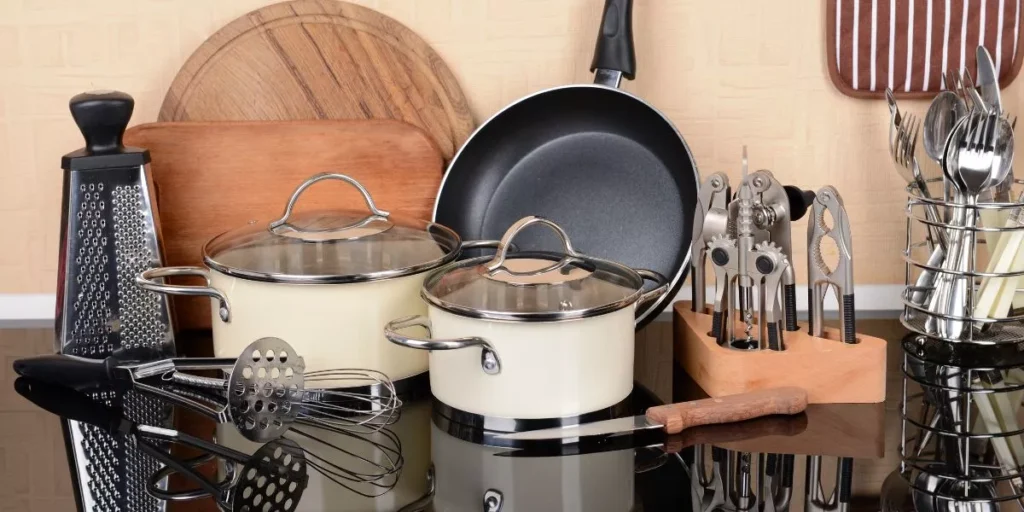
Proper maintenance of pots and pans is essential for their longevity and optimal performance. To keep your cookware in top shape, make sure to always hand wash them with a gentle dish soap and a soft sponge. Avoid using harsh abrasives that can scratch the surface of your pots and pans, leading to damage over time. Additionally, it’s crucial to dry your pots and pans thoroughly after washing to prevent rust and corrosion.
When it comes to storage, stack your pots and pans with a soft cloth or paper towel in between each piece to prevent scratches. Hanging your cookware is also a great way to save space and prevent any potential damage from stacking. Remember to inspect your pots and pans regularly for any signs of wear and tear, such as loose handles or warped bottoms, and address these issues promptly.
Maintenance Tips for Small Appliances
For small appliances like blenders and toasters, regular maintenance is key to ensuring their longevity and efficiency. To keep these appliances in top shape, start by regularly cleaning them according to the manufacturer’s instructions. For blenders, disassemble the removable parts and wash them with warm, soapy water after each use. To clean the base, wipe it down with a damp cloth. Additionally, make sure to check the blades for any food buildup that could affect their performance.
To maintain toasters, unplug them and empty the crumb tray frequently to prevent potential fire hazards. You can also use a soft brush to clean out any crumbs stuck inside the toaster. Moreover, avoid using harsh chemicals that can damage the appliance’s exterior.
Lastly, it’s essential to store small appliances properly when not in use. Store them in a dry place away from moisture and direct sunlight to prevent rust and electrical damage. By following these maintenance tips, you can extend the lifespan of your small appliances and keep them functioning efficiently.
Trending Products


![Freshware Meal Prep Containers [50 Pack] 1 Compartment with Lids, Food Storage Containers, Bento Box, BPA Free, Stackable, Microwave/Dishwasher/Freezer Safe (24 oz)](https://m.media-amazon.com/images/I/51FxPtHv2gL._SS300_.jpg)