To maintain a hygienic kitchen, you must adhere to a strict cleaning regimen that includes sanitizing surfaces and appliances regularly. But, did you know there’s a crucial aspect that often gets overlooked, leading to potential health hazards lurking in your kitchen? Stay tuned to discover this commonly neglected tip that could make all the difference in creating a truly clean and safe cooking environment for you and your loved ones.
Daily Cleaning Routine
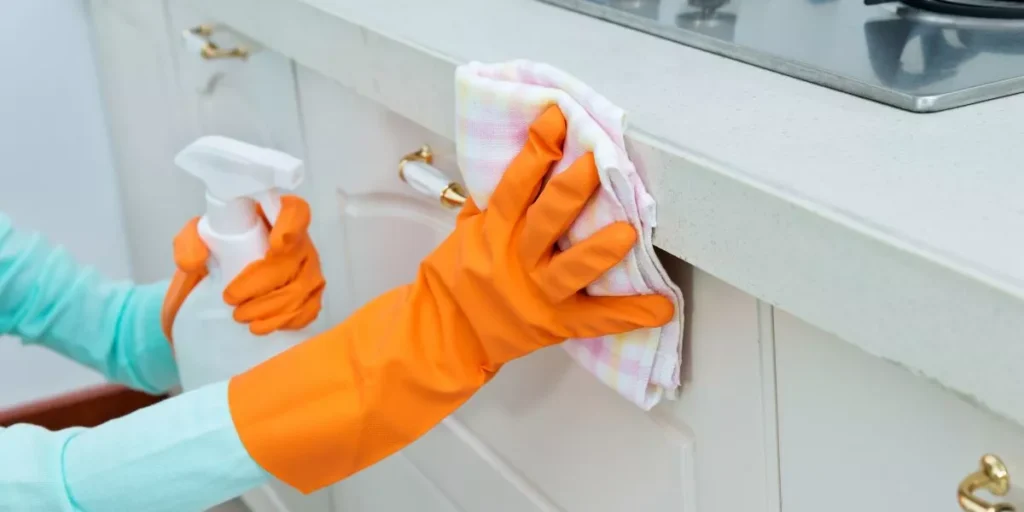
To maintain a hygienic kitchen, start your daily cleaning routine by wiping down all countertops and surfaces with a disinfectant spray. This simple step helps eliminate germs and bacteria that could contaminate your food. Be thorough in your cleaning, ensuring that you reach all the nooks and crannies where dirt and grime can hide. Pay special attention to areas where food is prepared or served, such as cutting boards, stovetops, and dining tables.
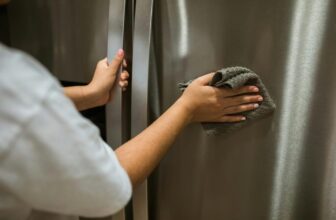
In addition to wiping down surfaces, don’t forget to clean appliances like the microwave, refrigerator handles, and coffee maker. These areas can harbor bacteria if not cleaned regularly. Take out the trash daily to prevent odors and the attraction of pests. Lastly, sweep or vacuum the floors to remove any crumbs or spills that could attract insects.
Proper Food Storage
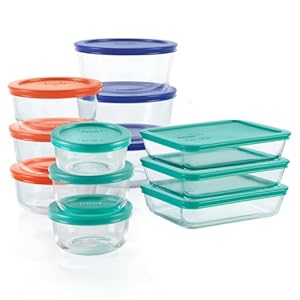
When storing food in your kitchen, ensure that it’s placed in appropriate containers to maintain freshness and prevent contamination. Use airtight containers for items like grains, cereals, and snacks to keep them from going stale or attracting pests. For perishable items such as meats and dairy, store them in the refrigerator at the correct temperature to slow down bacterial growth. Make sure to label containers with the date of storage to track freshness and avoid consuming expired products.
Organize your pantry and fridge to rotate older items to the front for quicker use, reducing the chances of forgetting about them and letting them spoil. Be mindful of where you store different types of food; for example, keep raw meats separate from ready-to-eat items to prevent cross-contamination.
Regularly check for any signs of spoilage or pest infestation in your stored food. If you notice anything unusual, discard the affected items immediately to prevent the spread of contamination. By following these simple storage practices, you can maintain a hygienic kitchen and ensure the safety of your food.
Disinfecting Surfaces Regularly
Regularly disinfecting kitchen surfaces is essential for maintaining a hygienic environment and preventing the spread of harmful bacteria.
To effectively disinfect your kitchen, start by cleaning countertops, cutting boards, and other surfaces with hot, soapy water to remove any visible dirt or grime. Next, use a disinfectant spray or wipes that are approved for kitchen use to kill any remaining bacteria. Focus on frequently touched areas like handles, knobs, and switches. Remember to let the disinfectant sit for the recommended time to ensure it’s effective.
Pay special attention to areas where raw meat, poultry, or fish have been prepared to avoid cross-contamination. Additionally, don’t forget about appliances like microwaves, refrigerators, and stovetops that also need regular disinfection.
Develop a routine schedule for disinfecting surfaces, such as doing it after meal preparation or at the end of the day. By making disinfecting surfaces a habit, you’ll create a cleaner and safer kitchen environment for you and your family.
Managing Kitchen Waste
Properly managing kitchen waste plays a crucial role in maintaining cleanliness and preventing odors in your kitchen. To effectively manage kitchen waste, start by separating your trash into different categories like recyclables, compostables, and regular trash. Use designated bins for each type of waste to make sorting easier. Make sure to empty your trash regularly to avoid overflowing bins, which can attract pests and lead to unpleasant smells.
Consider composting food scraps to reduce the amount of waste that goes into your regular trash. Composting not only helps the environment but also keeps your kitchen smelling fresh. Keep a lid on your trash cans to contain odors and prevent insects from getting in. Clean your trash cans and recycling bins regularly with a mixture of water and vinegar to eliminate any lingering odors.
Trending Products


![Freshware Meal Prep Containers [50 Pack] 1 Compartment with Lids, Food Storage Containers, Bento Box, BPA Free, Stackable, Microwave/Dishwasher/Freezer Safe (24 oz)](https://m.media-amazon.com/images/I/51FxPtHv2gL._SS300_.jpg)