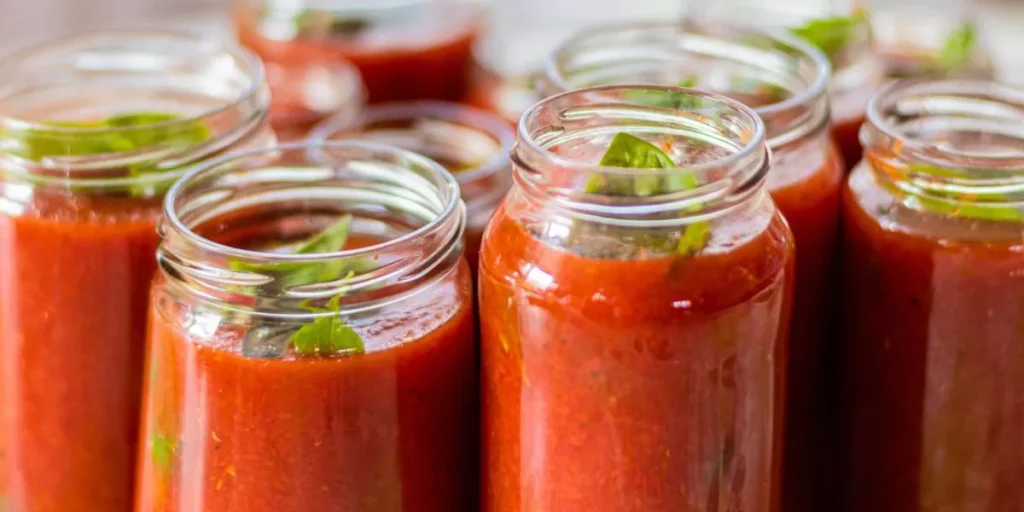
When striving to replicate restaurant-quality sauces in your own kitchen, it is essential to understand that the secret lies not only in the ingredients but also in the technique. By mastering a few key cooking methods and focusing on the finer details of flavor balance and presentation, you can transform your homemade dishes into culinary masterpieces that rival even the most esteemed dining establishments. So, are you ready to elevate your sauce game and impress your taste buds with gourmet creations at home?
Choosing Quality Ingredients
When creating restaurant-quality sauces at home, ensure you select the freshest and highest quality ingredients available. Start by choosing ripe, in-season produce from your local market. Fresh tomatoes, herbs, and peppers will elevate the flavor of your sauces. Opt for organic ingredients whenever possible to avoid pesticides and chemicals that can alter the taste. Look for specialty stores or farmer’s markets to find unique and high-quality items like truffle oil or aged balsamic vinegar.
For dairy-based sauces, such as creamy alfredo or béchamel, select premium cheeses and fresh cream for a rich and luxurious taste. Avoid using processed cheese or low-fat alternatives, as they can compromise the texture and flavor of the sauce.
When it comes to proteins like chicken, beef, or seafood for meat-based sauces, choose cuts that are fresh and well-marbled to ensure a tender and flavorful outcome. By prioritizing quality ingredients, you can replicate the delicious flavors found in your favorite restaurant sauces right in your own kitchen.
Mastering Cooking Techniques
To excel in creating restaurant-quality sauces at home, mastering cooking techniques is essential. Understanding basic cooking methods like sautéing, simmering, and reducing can significantly elevate the flavors of your sauces. Sautéing ingredients like onions and garlic in oil until golden brown can add depth and richness to your sauce. Simmering allows flavors to meld together over low heat, intensifying the taste. Reducing your sauce by simmering it uncovered helps thicken the consistency and concentrate the flavors.
Embracing techniques such as deglazing can also enhance your sauces. After sautéing meat or vegetables, deglaze the pan by adding liquid like wine or broth to scrape up the flavorful browned bits stuck to the bottom. This technique adds complexity and richness to your sauce.
Furthermore, mastering emulsification is crucial for creating silky, smooth sauces. Whisking in butter or oil gradually while maintaining the right temperature and consistency ensures a luxurious texture. Practice these techniques diligently to elevate your homemade sauces to restaurant-quality standards.
Balancing Flavors Perfectly
Achieving the perfect balance of flavors is essential for creating exceptional restaurant-quality sauces at home. To achieve this balance, start by understanding the basic flavor profiles: sweet, salty, sour, bitter, and umami. Experiment with different combinations of these flavors to create depth and complexity in your sauces. Remember, balance doesn’t mean equal parts of each flavor; rather, it involves harmonizing them so that no single flavor overpowers the others.
One way to balance flavors is by using contrasting elements. For example, if your sauce is too sweet, add a splash of vinegar or a pinch of salt to bring out other flavors and create a more well-rounded taste. Taste your sauce as you go along, making small adjustments to ensure the flavors are harmoniously blended.
Don’t forget the importance of acidity in balancing flavors. A touch of lemon juice or vinegar can brighten up a rich sauce, adding a refreshing contrast. Lastly, don’t be afraid to experiment and trust your palate. With practice, you’ll become more adept at balancing flavors and creating delicious restaurant-quality sauces at home.
Elevating Presentation Skills
To enhance the overall dining experience, consider refining your skills in presenting your homemade sauces in a visually appealing manner. Presentation plays a crucial role in how your dish is perceived, elevating the dining experience from ordinary to extraordinary.
Start by choosing the right serving dishes or containers that complement the color and texture of your sauce. A simple, clean plate can often highlight the sauce beautifully. Consider garnishing with fresh herbs, a drizzle of high-quality olive oil, or a sprinkle of freshly cracked black pepper to add visual interest and enhance the flavors.
Pay attention to the placement of the sauce on the plate, using techniques like swirling or drizzling for an elegant touch. Additionally, remember that negative space on the plate can enhance the visual appeal of your dish.
Trending Products