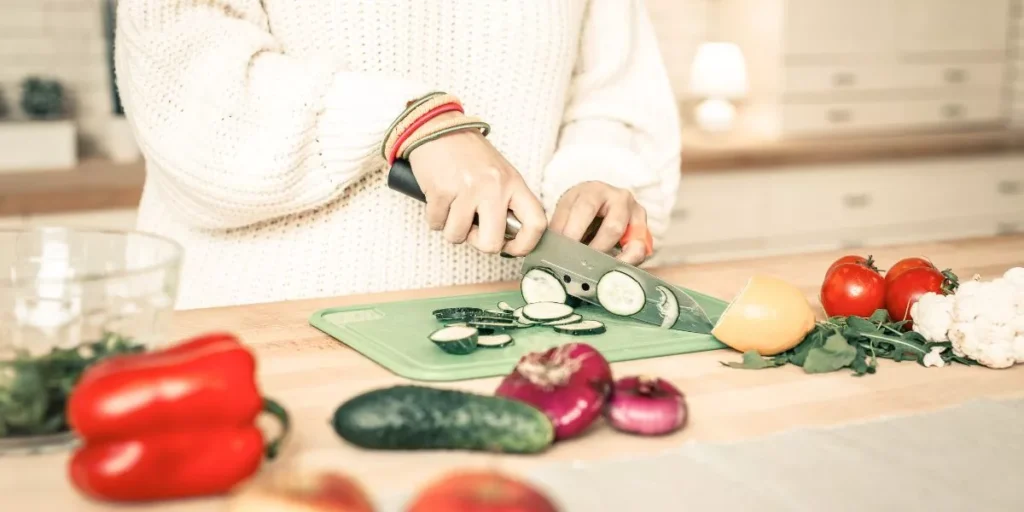
When it comes to honing your culinary craft, mastering knife skills is a game-changer. Picture effortlessly slicing through ingredients with precision and finesse, transforming mundane meal prep into an artful experience. The mastery of knife skills not only enhances your cooking but also boosts your confidence in the kitchen. It’s the key to unlocking a world of culinary possibilities, where every chop and slice elevates your dishes to a whole new level. Stay tuned to uncover how these fundamental techniques can truly revolutionize your cooking endeavors.
Basic Knife Handling Techniques
To improve your knife skills in the kitchen, practice proper grip and control techniques. Start by holding the knife with your dominant hand, wrapping your fingers around the handle and placing your thumb on the side of the blade for stability. This grip allows for better control and precision when cutting ingredients. Remember to keep your wrist firm but not tense to ensure smooth and accurate cuts.
When using the knife, maintain a steady and consistent motion. Avoid applying excessive force or chopping too aggressively, as this may lead to uneven cuts or accidents. Instead, focus on using fluid movements and let the sharpness of the knife do the work for you. By practicing controlled slicing and dicing techniques, you’ll not only improve your efficiency in the kitchen but also enhance the presentation of your dishes.
Essential Cutting and Slicing Skills
Improve your culinary precision by mastering essential cutting and slicing skills in the kitchen. To start, practice the fundamental techniques like the julienne, where you create uniform matchstick-shaped pieces ideal for stir-fries.
Another key skill is the chiffonade, which involves stacking and rolling herbs or leafy greens before slicing them thinly, perfect for garnishing dishes or infusing flavors. Mastering the bias cut, where you slice ingredients at an angle, not only enhances presentation but also affects the texture and cooking time.
Efficient slicing techniques like the rocking motion for herbs or the pull cut for bread are essential for a smooth and safe cutting experience. When cutting round ingredients like onions or tomatoes, mastering the radial cut helps maintain control and produces even slices.
Developing these essential cutting and slicing skills won’t only elevate the presentation of your dishes but also streamline your cooking process, making meal preparation more enjoyable and efficient. Experiment with different techniques to find what works best for you and enhances your culinary creations.
Knife Maintenance and Sharpening Tips
Keep your knives in top condition by regularly maintaining and sharpening them to ensure precise and efficient cutting in the kitchen. Proper knife maintenance is essential for optimal performance.
To maintain your knives, always hand wash and dry them immediately after use to prevent corrosion. Avoid putting them in the dishwasher, as the harsh detergents and high heat can damage the blades. Store your knives in a knife block or on a magnetic strip to prevent them from knocking against other utensils, which can cause dulling or nicks.
Regularly sharpening your knives is crucial for maintaining their sharpness. Invest in a high-quality knife sharpener or sharpening stone and follow the manufacturer’s instructions for the best results. A sharp knife not only cuts more efficiently but also reduces the risk of accidents due to slipping. Test your knife’s sharpness by slicing through a piece of paper – if it glides effortlessly, your knife is ready for action.
Advanced Knife Skills for Precision Chopping
Enhance your culinary expertise by mastering the art of precision chopping with advanced knife skills. To elevate your cooking game, practice techniques like the julienne, batonnet, and brunoise cuts. The julienne cut involves slicing vegetables into thin matchsticks, perfect for salads or garnishes.
For a slightly thicker cut, try the batonnet, ideal for stir-fries or sautés. If you require an even finer dice, the brunoise cut creates tiny cubes that add a delicate touch to soups or sauces.
When performing precision chopping, ensure your knife is sharp to maintain control and accuracy. Use a steady hand and guide the knife with your fingers tucked safely away. Pay attention to your knuckle positioning to prevent any accidental cuts. Remember, practice makes perfect, so take your time to hone these skills.
Trending Products