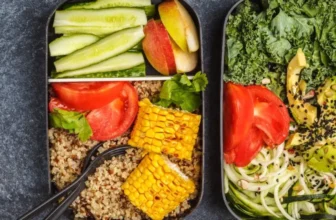
By incorporating meal prep into your routine, you can make significant strides towards achieving sustainable weight loss and fitness goals. Planning and preparing your meals in advance not only helps you maintain a balanced diet but also enables you to control portions and avoid unhealthy choices. However, the benefits of meal prep go beyond just nutrition – it can also save you time and reduce stress in your daily life. These advantages lay a solid foundation for your journey towards a healthier lifestyle, but what other strategies can enhance the effectiveness of meal prep in reaching your fitness objectives?
Benefits of Meal Prep
By planning and preparing your meals in advance, you can streamline your week and stay on track with your weight loss and fitness goals. One key benefit of meal prep is that it helps you make healthier choices throughout the week. When you have nutritious meals ready to grab and go, you’re less likely to opt for fast food or unhealthy snacks. This can significantly impact your calorie intake and ensure you’re fueling your body with the right nutrients to support your fitness journey.
Additionally, meal prep can save you time and money. By investing a few hours one day a week to plan and prepare your meals, you can avoid the stress of figuring out what to eat each day and reduce the temptation to order takeout. This can also help you stick to your budget by buying ingredients in bulk and avoiding impulse purchases at restaurants or grocery stores.
Meal Prep Tips for Success
For successful meal prep, you should start by creating a detailed meal plan for the week. This plan should include breakfast, lunch, dinner, and snacks, ensuring you have a balanced and nutritious diet. Consider incorporating a variety of foods to prevent boredom and ensure you get a wide range of nutrients. Once you have your plan, make a grocery list so you have all the necessary ingredients on hand.
Spend some time each week prepping your ingredients. Wash, chop, and portion out items like fruits, vegetables, and proteins to make meal assembly quick and easy. Invest in quality food storage containers to keep your meals fresh and organized. Cook in batches when possible to save time during the week.
To stay motivated and on track, set aside a specific time each week for meal prep. Make it a routine to help you stay consistent. Remember, meal prep is a tool to help you reach your weight loss and fitness goals, so stay committed and enjoy the benefits of having healthy meals ready to go.
Meal Prep for Weight Loss
To achieve weight loss through meal prep, focus on creating balanced and portion-controlled meals tailored to your dietary needs and goals. Start by planning your meals in advance, incorporating a variety of nutrient-dense foods like lean proteins, whole grains, fruits, and vegetables.
When preparing your meals, opt for cooking methods such as baking, grilling, or steaming to minimize added fats and calories.
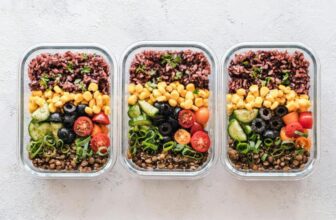
Consider using measuring cups, food scales, or portion control containers to ensure you’re not overeating. Dividing your meals into individual containers can help with portion control and prevent the temptation of eating larger servings.
Remember to include healthy snacks like nuts, yogurt, or cut-up veggies to keep you satisfied between meals and prevent overeating later in the day.
Incorporating Meal Prep Into Fitness Goals
When striving to align your meal prep with your fitness goals, prioritize incorporating a balance of macronutrients and timing your meals strategically to support your workout routine effectively. Include a mix of carbohydrates, proteins, and healthy fats in your meals to provide the necessary energy for your workouts and support muscle recovery. Carbohydrates are essential for fueling your workouts, while proteins aid in muscle repair and growth. Healthy fats help with hormone regulation and overall well-being.
Timing your meals around your workouts is crucial. Aim to eat a balanced meal containing carbohydrates and proteins about 2-3 hours before exercising to fuel your body adequately. After your workout, refuel with a combination of proteins and carbohydrates to support muscle recovery and replenish glycogen stores. Additionally, consider meal prepping post-workout snacks like protein shakes, Greek yogurt with fruit, or nuts to have readily available for quick consumption. By aligning your meal prep with your fitness goals, you can optimize your energy levels, enhance your performance, and work towards achieving sustainable results.
Trending Products