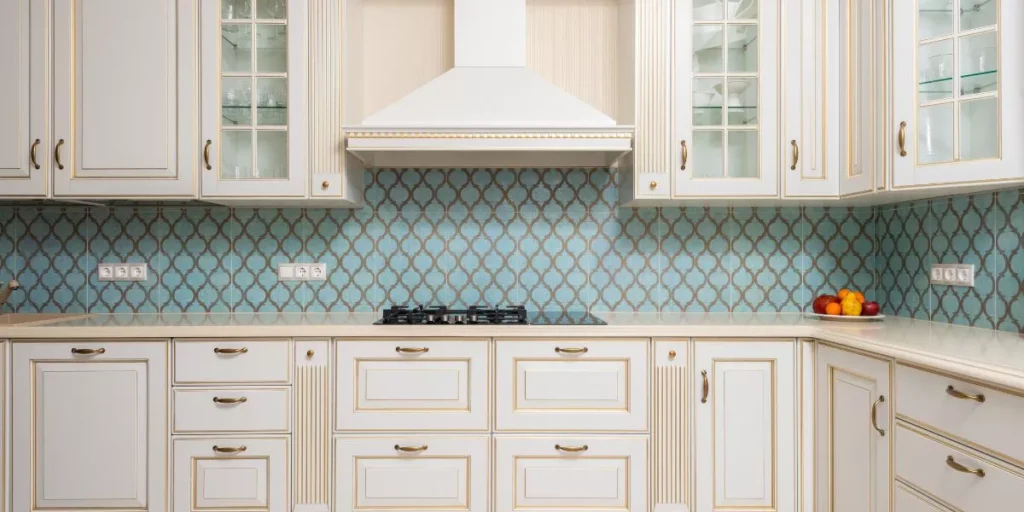
To properly maintain your kitchen cabinets and drawers, it is crucial to establish a routine that involves cleaning, repairing, and organizing. By implementing regular cleaning practices, handling minor repairs promptly, preventing damage, and adopting organizing techniques, you can ensure the longevity and functionality of these essential kitchen elements. Remember, a well-maintained kitchen not only enhances the aesthetics but also contributes to a smoother cooking experience.
Regular Cleaning Practices
To keep your kitchen cabinets and drawers in top condition, regularly wipe them down with a mild detergent solution. This simple practice will help remove grease, dirt, and other buildup that can accumulate over time. Start by emptying the cabinets and drawers to have easy access for cleaning. Use a soft cloth or sponge dampened with the detergent solution to wipe down both the interior and exterior surfaces. Pay special attention to areas near the handles, as these are often touched and can harbor more grime.
For tougher stains or sticky residue, you can use a gentle scrubbing brush or a mild abrasive cleaner. Remember to always test a small, inconspicuous area first to ensure that the cleaner doesn’t damage the finish. After cleaning, make sure to dry the cabinets and drawers thoroughly to prevent any water damage or warping.
Handling Minor Repairs
For addressing minor repairs in your kitchen cabinets and drawers, consider checking for loose screws or hinges that may need tightening. Loose screws can cause doors to hang unevenly or drawers to become misaligned. Use a screwdriver to tighten any loose screws and ensure that the hinges are properly secured. Additionally, if you notice any small cracks or chips in the cabinet or drawer surfaces, you can easily fix them with wood filler or a matching touch-up pen. Simply apply the filler or touch-up paint to the damaged area, let it dry, and sand it down until smooth.
Another common issue with kitchen cabinets and drawers is sticky or squeaky mechanisms. To address this, try applying a lubricant, such as WD-40, to the hinges and drawer slides. This will help them move more smoothly and reduce any noise they may be making. By promptly addressing these minor repairs, you can prolong the life of your kitchen cabinets and drawers and keep them functioning properly for years to come.
Preventing Damage and Wear
Proper maintenance practices can significantly reduce the likelihood of damage and wear on your kitchen cabinets and drawers. To prevent damage, avoid slamming cabinet doors and drawers shut, as this can loosen hinges and cause cracks in the wood over time. Make sure to handle drawers and cabinets gently to prolong their lifespan.
Additionally, regularly inspect the cabinets and drawers for any signs of wear, such as loose handles or hinges, and address these issues promptly to prevent further damage.
Another way to prevent damage is by using cabinet liners to protect the interior of the cabinets from spills and stains. These liners are easy to clean and can help extend the life of your cabinets.
Furthermore, consider installing soft-close mechanisms on cabinet doors and drawers to prevent them from being forcefully shut, reducing wear and tear on the hinges and wood.
Organizing and Decluttering Techniques
Consider implementing efficient organizing and decluttering techniques to optimize the functionality and aesthetics of your kitchen cabinets and drawers. Start by decluttering items that are no longer needed or used. Sort through your items, keeping only those that are essential and regularly used. Utilize storage solutions such as drawer dividers, shelf risers, and cabinet organizers to maximize space and keep items neatly arranged.
Group similar items together to create designated zones within your cabinets and drawers. For example, store all baking supplies in one area and cooking utensils in another. Labeling containers and shelves can also help maintain organization and make it easier to find what you need quickly.
Regularly assess your kitchen items and donate or discard anything that no longer serves a purpose. Implementing a one in, one out rule can help prevent clutter from building up again. By following these organizing and decluttering techniques, you can ensure that your kitchen cabinets and drawers remain tidy and functional.
Trending Products


![Freshware Meal Prep Containers [50 Pack] 1 Compartment with Lids, Food Storage Containers, Bento Box, BPA Free, Stackable, Microwave/Dishwasher/Freezer Safe (24 oz)](https://m.media-amazon.com/images/I/51FxPtHv2gL._SS300_.jpg)