
When it comes to cooking with autumn squash, ensuring you pick the right one is just the beginning. From selecting the perfect squash to mastering various cooking methods, there are key tips that can elevate your culinary creations. Whether you’re a seasoned chef or a novice in the kitchen, these insights will help you unlock the full potential of this versatile ingredient. So, are you ready to take your squash dishes to the next level?
Selecting the Best Autumn Squash
When choosing autumn squash, look for ones that feel heavy for their size and have a firm skin. This indicates that the squash is fresh and ripe, ensuring better flavor and texture in your dishes. A heavy squash typically means it has a higher moisture content, which is ideal for cooking. The firm skin is important because it protects the flesh inside and can give you a hint about the squash’s ripeness.
Additionally, check for any soft spots, mold, or bruises on the squash’s skin. These can be signs of spoilage or that the squash is past its prime. You want to select squash that’s free from blemishes to ensure the best taste and quality.
It’s also a good idea to consider the variety of squash you’re choosing. Each type has its unique flavor profile and culinary uses. For example, butternut squash is sweet and creamy, making it perfect for soups and roasting, while acorn squash has a nutty flavor and pairs well with savory ingredients. By selecting the right type of squash, you can enhance the flavors of your autumn dishes.
Preparing and Peeling Techniques
To prepare and peel autumn squash effectively, start by equipping yourself with the right tools and techniques for a seamless cooking experience. Begin by selecting a sharp chef’s knife and a sturdy cutting board. Wash the squash thoroughly to remove any dirt or debris that may be present on the skin. Next, carefully slice off both ends of the squash to create stable bases for cutting. Stand the squash upright and use a peeler or a sharp knife to remove the tough outer skin in downward motions, following the natural curves of the squash.
For tougher squash varieties like butternut or acorn squash, you may find it easier to peel the skin after partially cooking the squash to soften it. To do this, pierce the squash with a fork and microwave it for a few minutes to loosen the skin. Once peeled, cut the squash in half, scoop out the seeds, and proceed with your desired cooking method.
Mastering these preparation and peeling techniques will streamline your cooking process and ensure you make the most of the delicious autumn squash in your recipes.
Cooking Methods for Maximum Flavor
For optimal flavor extraction from autumn squash, consider employing various cooking methods that enhance its natural taste profiles.
Roasting is a popular technique that caramelizes the sugars in the squash, intensifying its sweetness. To roast squash, simply cut it into cubes, toss with olive oil, salt, and spices of your choice, and bake until tender and slightly browned.
Another method is to sauté squash in a skillet with butter or oil, allowing it to develop a rich, nutty flavor.
For a quicker option, try steaming the squash until soft and then mashing it with butter and seasonings for a simple and delicious side dish.
Grilling is also a fantastic way to bring out the natural smoky notes in autumn squash. Simply brush the squash with oil, season it, and grill until tender and slightly charred.
Experimenting with different cooking methods will help you discover new and exciting ways to enjoy the flavors of autumn squash.
Serving and Storing Tips
Consider incorporating these helpful tips for serving and storing autumn squash to maintain its freshness and flavor. After preparing your autumn squash dishes, serve them hot or at room temperature to enjoy the best taste and texture. If you have leftovers, store them in an airtight container in the refrigerator for up to 3-4 days. To reheat, gently warm the squash in the oven or on the stovetop to preserve its deliciousness.
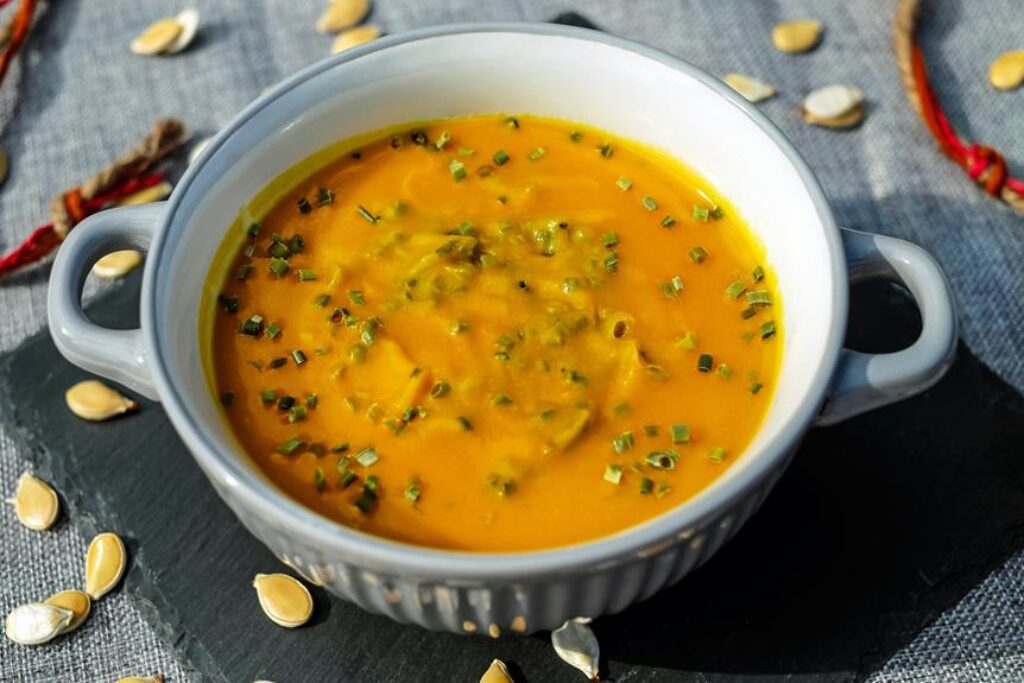
When serving autumn squash, consider garnishing with fresh herbs like sage or thyme to enhance the dish’s aroma and visual appeal. You can also sprinkle some roasted nuts or seeds on top for added crunch and flavor. If you’re preparing a pureed squash soup, a dollop of sour cream or a drizzle of olive oil can be delightful finishing touches.
For storing whole squash, keep them in a cool, dry place away from direct sunlight. Once cut, wrap the remaining squash tightly in plastic wrap or store in a sealed bag in the fridge. By following these simple serving and storing tips, you can savor the delightful taste of autumn squash dishes for days to come.
Trending Products