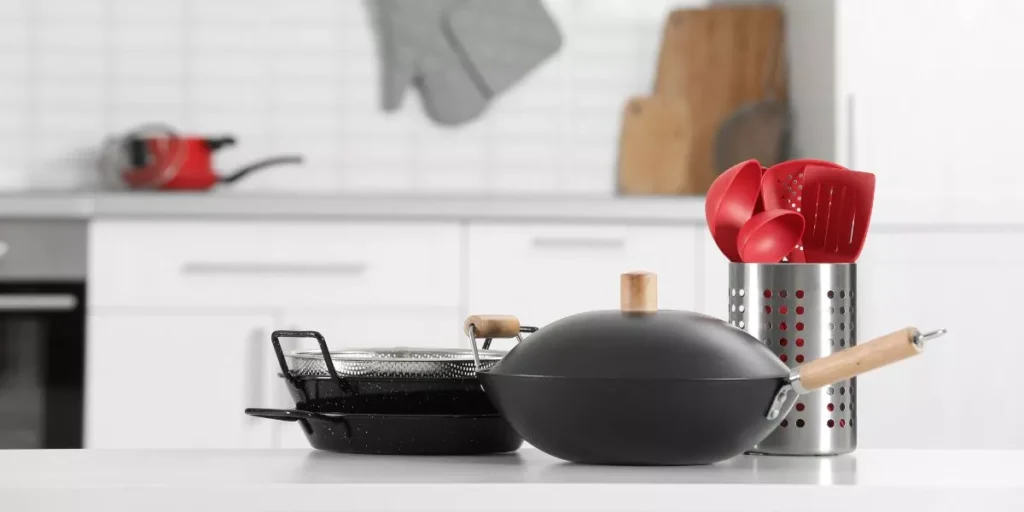
When it comes to caring for your nonstick cookware, ensuring you follow the right cleaning techniques is crucial for maintaining its quality. But cleaning is just the tip of the iceberg. Proper storage, using the correct utensils, and avoiding common mistakes are also key factors in prolonging the lifespan of your nonstick pots and pans. By incorporating these essential tips into your kitchen routine, you can ensure that your nonstick cookware remains in top-notch condition for a long time to come.
Cleaning Nonstick Cookware
To keep your nonstick cookware in top condition, regularly clean it using gentle methods to avoid damaging the nonstick surface. After each use, let the cookware cool before washing it. Use a soft sponge or cloth with warm, soapy water to gently clean the nonstick surface. Avoid harsh scrubbers or abrasive cleaners that can scratch the coating. For stubborn food residue, soak the cookware in warm, soapy water before gently scrubbing. Never use metal utensils while cooking in nonstick pans, as they can easily scratch the surface. Instead, opt for silicone, wood, or plastic utensils to prolong the life of your cookware.
Additionally, avoid stacking nonstick cookware inside each other to prevent scratches. Allow the cookware to air dry or hand dry with a soft cloth to maintain its nonstick properties. By following these simple cleaning tips, you can ensure that your nonstick cookware remains in excellent condition for years to come.
Proper Storage Techniques
For optimal preservation of your nonstick cookware, implement smart storage practices to extend its lifespan and maintain its quality. To prevent scratches and damage, consider hanging your nonstick pans using a pot rack or hooks. If hanging isn’t an option, place a soft cloth or paper towel between each pan when stacking them.
Avoid stacking other heavy items on top of your nonstick cookware to prevent warping. Store your nonstick pots and pans in a cool, dry place away from direct sunlight to maintain their nonstick coating. It’s best to avoid storing food in your nonstick cookware to prevent any potential damage or staining.
Additionally, refrain from nesting nonstick pans inside one another for extended periods, as this can lead to wear and tear on the coating. By following these storage tips, you can help ensure that your nonstick cookware remains in top condition for longer.
Using the Right Utensils
Implementing the right utensils when cooking with nonstick cookware can significantly impact both the longevity of the cookware and the quality of your meals. To maintain the nonstick surface of your cookware, opt for utensils made of silicone, nylon, or wood. These materials are gentle on the nonstick coating and prevent scratches that can lead to the coating peeling off over time. Avoid using metal utensils as they can easily damage the nonstick surface, rendering your cookware less effective.
When choosing utensils, look for options with smooth edges rather than sharp or serrated edges. Sharp utensils can cut through the nonstick coating, causing it to wear off faster. Additionally, consider using utensils with a flat or rounded edge to prevent scraping the nonstick surface when stirring or flipping food. By selecting the right utensils for your nonstick cookware, you can ensure that it remains in top condition for longer, allowing you to enjoy effortless cooking and easier cleanup.
Avoiding Common Mistakes
Be mindful of common mistakes that can affect the performance and longevity of your nonstick cookware. One key mistake to avoid is using cooking sprays on nonstick pans. These sprays can create a build-up that’s difficult to remove, ultimately diminishing the nonstick properties of the cookware.
Additionally, using metal utensils when cooking with nonstick pans is a big no-no. Metal utensils can scratch the nonstick coating, leading to peeling and reduced effectiveness.
Another common mistake is exposing nonstick cookware to high heat. While nonstick pans are great for low to medium heat cooking, subjecting them to high temperatures can cause the nonstick coating to deteriorate quickly.
Moreover, washing nonstick cookware in the dishwasher isn’t recommended. The harsh detergents and high heat in dishwashers can damage the nonstick surface over time.
To ensure your nonstick cookware remains in top condition, always hand wash it with a mild detergent and a soft sponge. Avoid stacking nonstick pans to prevent scratches, and store them properly to maintain their nonstick properties for longer.
Trending Products


![Freshware Meal Prep Containers [50 Pack] 1 Compartment with Lids, Food Storage Containers, Bento Box, BPA Free, Stackable, Microwave/Dishwasher/Freezer Safe (24 oz)](https://m.media-amazon.com/images/I/51FxPtHv2gL._SS300_.jpg)